Queens Park flat rubbish clearance before tenancy end
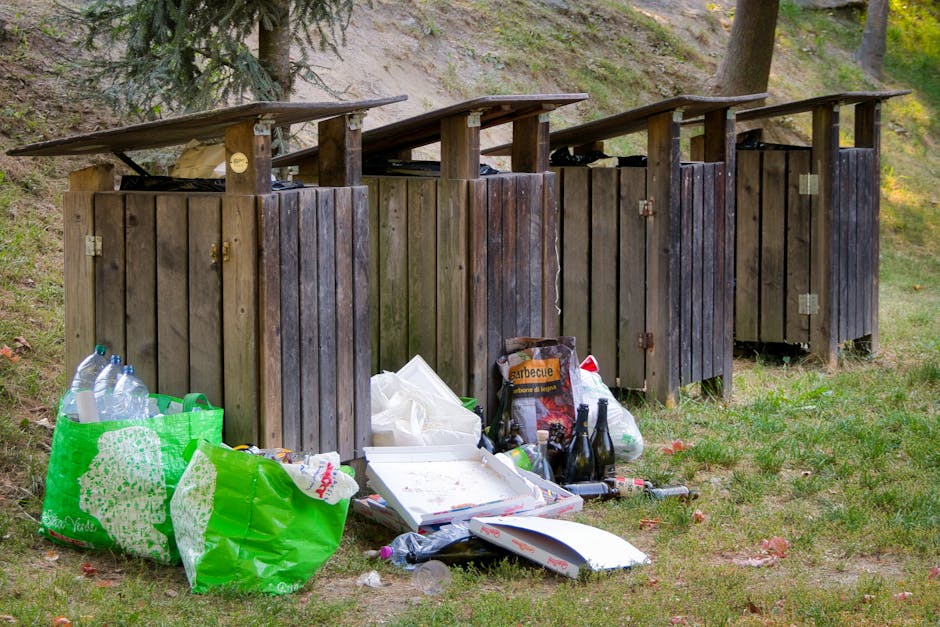
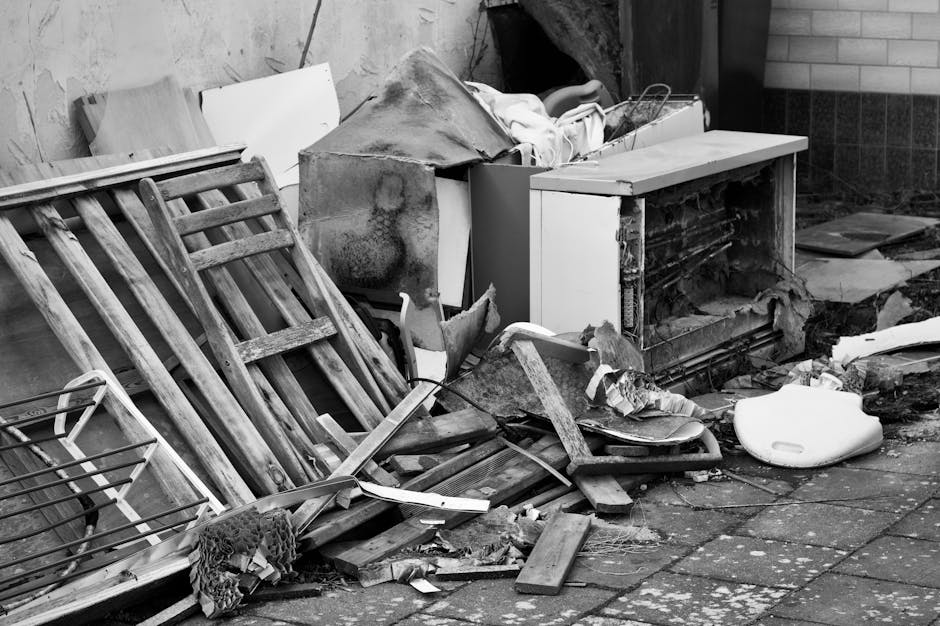
If you are staring at a flat full of bags, old furniture, broken bits and "I'll deal with that later" clutter, you are not alone. Queens Park flat rubbish clearance before tenancy end is one of those jobs that suddenly becomes urgent right when you are trying to move, clean, pack, and hand back the keys. It can feel like everything is happening at once. Truth be told, that is usually when people realise how much stuff has quietly accumulated.
This guide explains how pre-tenancy-end rubbish clearance works in Queens Park, why it matters, what to remove first, and how to avoid those last-minute headaches that can lead to stress or deposit deductions. We will also cover practical steps, compliance considerations, and a realistic approach to getting the flat cleared without turning moving day into a small disaster.
Why Queens Park flat rubbish clearance before tenancy end Matters
At the end of a tenancy, the state of the flat is judged very quickly. If rubbish is left behind, the place looks less cared for even if the walls have been cleaned and the floors hoovered. In a busy London rental market, first impressions matter more than people like to admit. A neat, empty property helps the final inspection go smoothly and reduces the chance of avoidable disputes.
Queens Park flats often come with the usual challenges of city living: limited storage, awkward stairwells, restricted parking, and tight turnaround times. When you leave clearance too late, you can end up with bags blocking hallways, bulky items you cannot lift, and last-day panic when the rubbish collection timing does not line up with your move-out. It is not dramatic, but it is messy, and messy costs time.
There is also a practical side. End-of-tenancy clearance is not just about getting rid of waste. It is about presenting the property properly, protecting your deposit where possible, and making sure leftover items do not get mistaken for abandonment. Landlords and letting agents usually expect a property to be returned empty unless otherwise agreed. That does not mean spotless down to the millimetre. It does mean clear, tidy, and free of your personal belongings and waste.
Expert summary: If the tenancy is ending soon, tackle rubbish clearance before deep cleaning and before the van arrives for moving day. That order usually saves time, money, and a lot of back-and-forth.
How Queens Park flat rubbish clearance before tenancy end Works
The process is usually more straightforward than people expect. You sort what is staying, what is going with you, what can be donated or recycled, and what needs professional removal. From there, a clearance team or waste service can remove bulky items, bagged rubbish, and awkward bits that are hard to deal with yourself.
In a typical Queens Park flat clearance, the team will assess access first. That matters in older mansion blocks, converted terraces, and upper-floor flats where stairs are narrow and parking is a bit of a headache. Access details often affect how quickly work can be done and whether items need to be carried by hand rather than moved from a driveway or loading bay. Not glamorous, but very real.
A good clearance also takes account of different waste streams. Not everything belongs in the same pile. Furniture, general household waste, electrical items, metal, and reusable goods may need different handling. A careful operator will separate items where practical and make sure waste is taken to an appropriate facility. That is the sensible way to do it, and frankly the only way that feels properly tidy.
If you are comparing broader services, a dedicated flat clearance option is often the closest fit for a tenancy-end job, while more general rubbish removal works well when you mainly need mixed waste taken away quickly.
In practice, the job often follows this sequence:
- Walk through the flat and identify everything that must go.
- Separate personal items, valuables, documents, and keys from waste.
- Group bulky items, bagged waste, and recyclable materials.
- Check access, lift availability, parking, and time restrictions.
- Schedule removal before checkout, inventory, or final cleaning.
- Have the flat rechecked once items are gone.
Simple on paper. Less simple when you are knee-deep in boxes, half-full bin bags, and one mysterious chair that no one admits owning.
Key Benefits and Practical Advantages
The main benefit is obvious: a cleared flat is easier to hand back. But there are several less obvious advantages that matter just as much.
- Reduces deposit risk: Leaving rubbish behind can create deductions for removal, labour, or additional cleaning.
- Makes cleaning faster: You cannot deep clean properly around piles of clutter or old furniture.
- Improves checkout readiness: The flat is easier for the landlord or agent to inspect when it is empty and orderly.
- Helps with tight move-out timelines: When you only have one or two days left, professional clearance can prevent a bottleneck.
- Supports recycling and re-use: Some items can be separated, donated, or handled more responsibly than simply dumping everything.
- Removes physical strain: Carrying a wardrobe down stairs is not a noble gesture if it ends with a strained back and a chipped wall.
There is also a mental benefit people underestimate. A cleared flat feels finished. You stop circling around unfinished jobs, and that makes the rest of the move much calmer. You will notice it straight away: the echo in an empty room, the easier sweep across the floor, the sudden sense that the job is nearly done.
If the property has large items left over, services such as furniture disposal or even targeted removal for bulky pieces can be more efficient than trying to break everything down yourself.
Who This Is For and When It Makes Sense
Queens Park flat rubbish clearance before tenancy end is useful for renters, landlords, agents, and even flat sharers who are splitting up possessions before moving out. It is especially relevant if the flat has a mix of everyday clutter and awkward bulky waste.
You may need it if:
- your tenancy is ending and the property must be left empty
- you have no car or cannot transport bulky waste yourself
- the building has poor access, narrow stairs, or no lift
- you are moving on a tight schedule and do not have time for multiple trips
- there are items that could not go out with normal household bins
- you want the flat ready for a cleaner, decorator, or inventory inspection
It also makes sense if you are moving after a long tenancy and the flat has built up the usual oddities: broken kitchen stools, a dried-out plant pot, three spare fans, and that one box from 2021 nobody opened. Let's face it, most flats collect a few of those.
For landlords or managing agents, clearance is often a practical response to tenant turnover rather than a last resort. If a property has been left with mixed waste or unwanted furniture, arranging timely removal can protect the next letting cycle and avoid delays.
Step-by-Step Guidance
If you want the process to run smoothly, start early and work in stages. Rushing is what creates the confusion.
1. Decide what must leave the flat
Do one room at a time. Make three rough piles: keep, remove, and unsure. The "unsure" pile should be small. Otherwise it becomes a procrastination museum.
2. Remove valuables and personal paperwork first
Before any clearance begins, put passports, tenancy documents, electronics, jewellery, and personal letters somewhere safe. It sounds obvious, but in move-out chaos obvious things get missed.
3. Identify bulky or awkward items
Mattresses, wardrobes, old sofas, broken shelving, and damaged appliances are usually the hardest items to shift. These are the things that can slow everything down if left until the final day.
4. Check what can be reused or recycled
Some items are fit for donation or reuse, especially furniture that is still in decent condition. If a piece is too far gone, it should be treated as waste rather than left in the flat "just in case". That phrase has caused more problems than it deserves.
5. Book removal at the right time
Ideally, clearance should happen before deep cleaning and before your final inventory inspection. If the schedule is tight, aim for clearance at least a day before handover so you have time to spot anything missed.
6. Confirm access details
Tell the provider about parking, stairs, permits, narrow entrances, lift availability, and any time restrictions. A five-minute conversation here can save a lot of frustration later. In Queens Park, access details can make or break a smooth job.
7. Do a final sweep
Once everything is out, check cupboards, balconies, under beds, utility cupboards, and behind doors. Small forgotten items are the ones that come back to annoy you later.
Expert Tips for Better Results
After plenty of move-out jobs, a few patterns become very clear. The people who stay calm are usually the ones who prepare in sensible chunks rather than leaving everything for the final evening.
- Book clearance before your moving van arrives. If the flat is half-full of rubbish, moving furniture around becomes slower and more awkward.
- Keep bin bags consistent. Same size, tied properly, and not overfilled. That makes handling far easier.
- Take photos before and after. Useful for your own records, and sometimes helpful if there is a later question about the condition of the property.
- Separate electricals carefully. Broken lamps, toasters, chargers, and small appliances should not be bundled in with everything else without thought.
- Leave a clear path to the exit. It sounds trivial, but cluttered hallways waste time and increase the risk of scuffs.
- Plan around building quiet hours. Some blocks are more sensitive than others, and a respectful approach always helps.
One small but important point: if there is a lot to clear, do not underestimate the weight. A half-packed wardrobe can be awkward in a way that is almost comical until you are the one carrying it. That is usually the moment people wish they had booked help sooner.
If you are still deciding on a broader solution, services like waste clearance and home clearance can be useful when the flat has more than just a few bin bags to remove.
Common Mistakes to Avoid
Most problems with tenancy-end clearance come from timing, not intent. People mean well. They just run out of time.
- Leaving clearance until the final morning: This is the classic mistake. It usually leads to rushed decisions and missed items.
- Assuming the council bin is enough: Normal collection services are not designed for bulky furniture or large volumes of mixed waste.
- Forgetting the cupboards: It is surprisingly common to leave cleaning products, old cables, or food containers hidden away.
- Mixing keep, donate, and waste piles: Once everything is together again, you will spend extra time sorting it all out.
- Not telling the provider about access: Narrow stairs, controlled parking, and top-floor flats matter a great deal.
- Ignoring disposal rules for certain items: Some materials need more care than general rubbish.
A subtle mistake is overestimating what can be done in one evening after work. We have all done it. You tell yourself you will clear the spare room, the airing cupboard, and the lounge corner after dinner. Then it is 9:30pm, the kettle is on, and nothing has moved. Life happens.
Tools, Resources and Recommendations
You do not need a van full of equipment to prepare a flat for clearance, but a few basic tools make the job more manageable.
- Heavy-duty bin bags: Better for mixed waste and less likely to split at the worst possible moment.
- Gloves: Handy for dusty cupboards, old furniture, and sharp bits of broken packaging.
- Marker labels or tape: Useful for marking what stays, what goes, and what should be set aside.
- Box cutter or scissors: Good for flattening cardboard and dismantling packaging safely.
- Cleaning cloths and a vacuum: Best used after clearance, not before.
- Phone camera: Simple, but invaluable for keeping a record of how the flat was left.
It can also help to use a service that already handles multiple waste types. For instance, if the flat has a damaged sofa, you may need sofa removal alongside general rubbish collection. If there are also storage leftovers, empty boxes, or accumulated household items, a more complete house clearance approach may be worth considering, even for a flat.
If you are comparing options, do not just look at price. Look at how clearly the provider explains access, sorting, and what happens to recyclable material. That tells you a lot more than a polished headline ever will.
Law, Compliance, Standards, or Best Practice
For tenancy-end rubbish clearance in Queens Park, the main compliance issue is responsible disposal. Waste should be handled in a way that follows UK best practice and local expectations. You do not need to turn into a legal scholar, but you do need to avoid fly-tipping, unsafe dumping, or leaving items in communal areas without permission.
In practical terms, that means checking that waste is passed to a legitimate disposal route, especially if a third party is taking it away. If you are using a clearance company, it is sensible to ask how they manage waste and whether items are sorted where possible. A reputable operator should be able to explain their process plainly.
There is also a tenancy angle. Most tenancy agreements require the property to be returned clean, empty of personal items, and in a condition that allows for the next stage of letting or inspection. Exact obligations vary, so it is worth checking your agreement rather than relying on assumptions. If in doubt, be a little stricter with yourself. It saves arguments later.
For shared blocks and communal entrances, do not leave waste in hallways, stairwells, or outside the building unless you have permission and a collection plan. That is not just poor form; it can create access issues for neighbours and building managers. Nobody wants the awkward note on the communal board.
Where hazardous or specialist waste is involved, the safest route is to treat it separately. Paint, chemicals, certain electrical items, and broken materials may need extra attention. If you are unsure, ask before you dump. That is the sensible move every time.
Options, Methods, or Comparison Table
There are several ways to deal with rubbish before a tenancy ends. The right choice depends on how much there is, how heavy it is, and how much time you have left.
| Option | Best for | Pros | Limitations |
|---|---|---|---|
| DIY bin-bag clearing | Small amounts of general waste | Low cost, simple for light loads | Time-consuming, not ideal for bulky items |
| Multiple local trips | Moderate waste with a car or van | Flexible and controllable | Hard work, parking stress, many trips |
| Professional clearance | Bulky items, mixed waste, tight deadlines | Fast, practical, less physically demanding | Usually costs more than doing it yourself |
| Combined clearance and disposal service | Flats with furniture, clutter, and general rubbish | More efficient and organised | Needs clear instructions and access details |
For many tenancy-end situations, professional help gives the best balance of speed and convenience. If the flat is mostly empty except for a few items, DIY may be fine. If there is an old wardrobe, a mattress, broken shelving and six bags of mixed rubbish, you are probably past the point where "I'll do it myself" feels realistic.
Some people also combine rubbish clearance with rubbish collection for smaller loads, or use broader waste removal support when the clear-out stretches beyond one room.
Case Study or Real-World Example
Here is a realistic example. A tenant in a Queens Park flat was due to hand back the keys on Friday afternoon. By Wednesday evening, the flat still had a sofa, two broken bedside tables, several bags of old clothing, kitchen clutter, and a loft-style shelf unit that had never really been moved since the first day they arrived. The hallway was narrow, parking was limited, and the inventory checkout was booked for the same day as the move.
Rather than leaving everything until Friday morning, the tenant split the job into two stages. First, they boxed personal items and separated keep/donate/waste piles. Second, they booked removal for bulky items and mixed rubbish the day before the final clean. The clearance happened early enough that the flat could be vacuumed, surfaces wiped, and cupboards checked properly. A few forgotten bits turned up, as they always do, but there was time to deal with them.
The important thing was not that the flat was huge or unusually complicated. It was that the job was handled in the right order. Clearance first, then cleaning, then inspection. That simple sequence made the handover feel calm rather than chaotic. Small detail, big difference.
If the property has moved beyond a basic tidy-up and needs a more comprehensive sort-out, a service such as flat clearance can often be the cleanest route. For bigger knock-on messes involving sheds, storage areas, or overflow items, a broader approach may be better than trying to solve everything one bag at a time.
Practical Checklist
Use this checklist in the last week of the tenancy. It is simple, but it works.
- Remove all personal belongings from cupboards, wardrobes, and drawers.
- Separate valuables, documents, and keys before any clearance begins.
- Identify bulky items such as sofas, mattresses, tables, and broken shelving.
- Bag general waste securely and do not overfill the bags.
- Set aside anything reusable, recyclable, or to be donated.
- Confirm building access, parking, lifts, and stair access.
- Schedule clearance before the final clean if possible.
- Take before-and-after photos for your own records.
- Check balconies, under beds, behind doors, and in utility areas.
- Vacuum, wipe surfaces, and remove leftover dust after clearance.
- Do one last walk-through before handing back the keys.
Quick reminder: if a room looks empty but still smells like old food, damp packaging, or dust, it probably needs one more pass. Little things, honestly, are the ones people forget.
Get a free quote today and see how much you can save.
Conclusion
Queens Park flat rubbish clearance before tenancy end is really about making the handover easier. A clear flat is simpler to clean, easier to inspect, and less likely to create avoidable friction at checkout. Whether you are dealing with a few stubborn bags or a full mix of furniture and household waste, the best results usually come from planning early, sorting properly, and choosing the right level of help.
Keep it practical. Keep it orderly. And if the task feels bigger than it looked on paper, that is completely normal. Most move-outs do. The good news is that a smart clearance plan can turn a frantic final week into a much calmer exit, and that is worth quite a lot when you are moving on.
One last thing: the flat does not need to be perfect, just properly cleared and ready for the next chapter. That is enough, and sometimes enough is a relief.
Frequently Asked Questions
What does Queens Park flat rubbish clearance before tenancy end usually include?
It usually includes removal of general rubbish, bagged waste, unwanted furniture, broken household items, and anything left behind that should not remain in the property when the tenancy ends.
When should I book rubbish clearance before moving out?
Ideally, book it before your final clean and at least a little before the checkout date. If access is tight or there is bulky waste, earlier is better. Leaving it to the final morning is asking for stress.
Can I leave rubbish in the flat for the next cleaner or landlord to deal with?
No, that is usually a bad idea. Tenancy agreements commonly expect the property to be returned empty of rubbish and personal items unless you have agreed otherwise.
What happens to furniture during flat clearance?
Furniture is typically removed, sorted, and taken for disposal or recycling where appropriate. If an item is in usable condition, some providers may separate it from general waste to reduce unnecessary disposal.
Is it cheaper to do the clearance myself?
Sometimes, yes, if you only have a small amount of waste and easy access. But once bulky items, stairs, parking issues, or time pressure are involved, the hidden cost of DIY can be higher than expected.
Do I need special help for a sofa or mattress?
Often, yes. Large items are awkward to move safely and may need a more targeted removal approach. Sofas, mattresses, and wardrobes can also be difficult to transport without the right vehicle or lifting help.
What if my flat has a lot of mixed clutter, not just rubbish?
That is common. Mixed clutter can include keepsakes, old papers, broken furniture, and general waste all in one room. A structured clearance plan helps separate what stays from what goes, and a more comprehensive clearance service may be more suitable.
How do I avoid deposit deductions related to rubbish?
Clear the flat fully, remove all waste and belongings, and leave the property ready for inspection. Photos taken before handover can also help if there is any later disagreement.
Can clearance be done if the property has narrow stairs or limited parking?
Yes, but those details should be shared in advance. Access issues affect timing and how items are moved, so it is better to flag them early rather than at the door.
What should I do with items I no longer want but are still usable?
Set them aside separately if possible. Usable items may be suitable for donation, reuse, or another type of collection rather than being treated as ordinary rubbish.
Is flat rubbish clearance the same as full house clearance?
Not exactly. Flat clearance focuses on a smaller property type, often with more access restrictions. House clearance usually covers larger properties and may involve more rooms, more volume, and different logistics.
What is the safest way to prepare for clearance day?
Keep valuables separate, label what should go, clear hallways, and make sure the provider knows about access, parking, and timing. A tidy setup makes the whole job safer and faster.